Emergency Plumbing Help Available 24/7
How to Detect Hidden Water Leaks Under Your Floor Before Major Damage
Spot the Early Warning Signs of Hidden Leaks
The first step in catching a hidden leak before it destroys your home is knowing what to look for. In the San Francisco Bay Area, older homes built between the 1920s and 1950s often have original plumbing running beneath hardwood or tile floors, and even newer construction can develop leaks at pipe joints, especially after minor seismic activity or soil settling common to Oakland and surrounding areas.
Start by checking for soft or spongy spots when you walk across your floors. Press down firmly with your foot in different areas, especially near bathrooms, kitchens, and laundry rooms. If the floor feels unstable or gives more than it should, water may be saturating the subfloor underneath. This is particularly noticeable in homes with hardwood or laminate flooring, where moisture causes boards to warp, buckle, or separate at the seams.
Pay attention to unusual odors. A persistent musty or earthy smell, even when your home is clean and dry, often signals mold growth from hidden moisture. In the Bay Area’s mild, humid climate, especially during the fog season from June through September, these odors can be mistaken for seasonal dampness, but if they linger in one spot or intensify over time, investigate further.
Watch your water bill closely. A sudden or gradual increase without a corresponding change in your household usage is a strong indicator of a leak somewhere in your system. Even a small leak under your floor can waste hundreds of gallons per month, and in Oakland’s tiered water rate structure, that can translate to significant cost. Compare your current bill to the same month last year to account for seasonal variation.
Look for discoloration or staining on baseboards, walls, or ceilings below upper-floor bathrooms. Water follows gravity, so a leak under a second-story floor often announces itself with yellowing, bubbling paint, or water spots on the ceiling below. Check for peeling wallpaper or cracked drywall seams, especially in corners where two walls meet the floor.
Finally, listen for the sound of running water when all fixtures are off. Turn off every faucet, appliance, and toilet in your home, then stand quietly in different rooms. A faint hissing, dripping, or rushing sound can indicate water moving through a compromised pipe. This method works best late at night when ambient noise is minimal.
Professional Leak Detection Techniques
Once you suspect a hidden leak, the next step is locating it precisely without tearing apart your entire floor. Modern leak detection goes far beyond guesswork, relying on specialized tools that pinpoint the exact location of a leak with minimal disruption to your home.
Moisture meters are often the first diagnostic tool. These handheld devices measure the moisture content in building materials like wood, drywall, and concrete. A technician will take readings across your floor surface, mapping out areas where moisture levels are abnormally high. In San Francisco’s older homes with tongue-and-groove hardwood floors, moisture meters can detect saturation even when the surface appears dry, helping narrow down the leak’s location to within a few square feet.
Thermal imaging cameras are game-changers for leak detection. These cameras detect temperature differences in surfaces, and since water typically runs cooler than surrounding dry materials, a leak shows up as a distinct cold spot on the camera’s display. This non-invasive method is especially useful in homes with radiant floor heating or multi-layer flooring, where traditional inspection methods fall short. In the Bay Area, where many homes have been remodeled multiple times, thermal imaging can reveal leaks hidden beneath tile, vinyl, or engineered wood without removing a single board.
Acoustic leak detection uses sensitive microphones and amplifiers to listen for the sound of water escaping from pressurized pipes. Even a pinhole leak creates a distinct frequency that trained ears and equipment can isolate. This method is particularly effective for slab leaks in homes built on concrete foundations, common in parts of Oakland and Berkeley. By listening along the pipe’s path, a technician can identify the leak’s exact position, saving you the cost and hassle of exploratory demolition.
Pressure testing is another essential technique. A technician will isolate a section of your plumbing system, pressurize it with air or water, and monitor for pressure drops that indicate a leak. This method is especially useful for diagnosing slow leaks that don’t produce obvious symptoms. When combined with other detection tools, pressure testing confirms whether a leak repair is necessary and helps plan the scope of work.
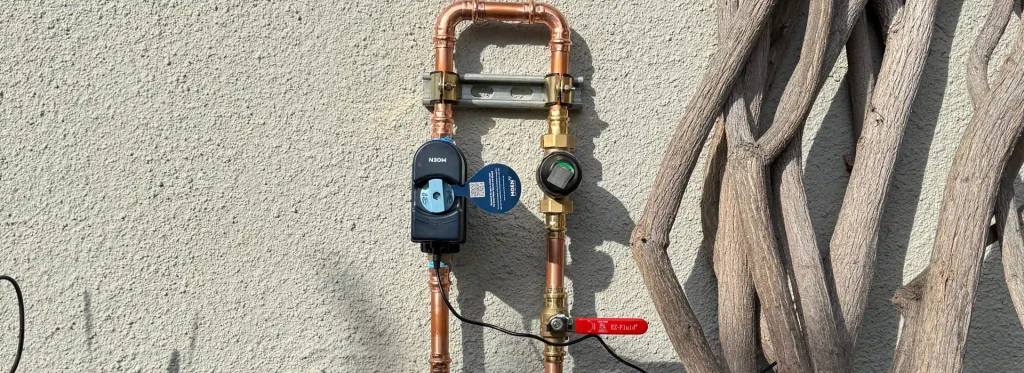
Smart water leak detectors, like the Moen Flo system, are increasingly popular in California. These devices install directly on your water main and continuously monitor flow, pressure, and usage patterns. If the system detects unusual activity consistent with a leak, it sends an alert to your smartphone and can even shut off the water automatically. Many homeowners in the Bay Area are installing these systems not just for leak detection but also to qualify for insurance discounts, as some carriers now require them for coverage renewal.
The key to all these methods is paying attention to detail and using the right tool for the job. A thorough inspection combines multiple techniques to zero in on the problem, minimizing guesswork and ensuring the work is done right the first time.
Why Acting Fast Protects Your Wallet
Delaying action on a suspected leak is one of the costliest mistakes a homeowner can make. What starts as a minor drip can escalate into a structural nightmare, and the longer water sits beneath your floor, the more damage it causes.
In the San Francisco Bay Area, many homes were built during the post-war construction boom, with wooden floor joists and subfloors that are now 70 to 80 years old. When these materials absorb water, they lose structural integrity rapidly. Softwood like Douglas fir, common in Bay Area construction, can begin to rot within weeks of continuous moisture exposure. Once rot sets in, you’re no longer looking at a simple pipe repair; you’re facing subfloor replacement, joist reinforcement, and potentially foundation work. The cost difference between a $500 leak repair and a $15,000 structural remediation is often just a matter of weeks.
Mold is another serious consequence of hidden leaks. The Bay Area’s mild, humid climate creates ideal conditions for mold growth, and once it starts under your floor, it spreads through insulation, ductwork, and wall cavities. Mold remediation is expensive and disruptive, often requiring professional abatement, removal of contaminated materials, and air quality testing. More importantly, mold poses health risks, especially for children, elderly residents, and anyone with respiratory conditions. Many homeowners don’t realize their chronic allergies or asthma are being triggered by hidden mold until a leak is finally discovered and addressed.
Foundation damage is a long-term risk that sneaks up on homeowners. Persistent moisture beneath your floor can erode soil, create voids under the slab, and cause settling or cracking. In Oakland and Berkeley, where many homes sit on hillsides or Bay fill, foundation movement is already a concern; adding water to the equation accelerates the problem. Foundation repairs are among the most expensive home improvements, often running into the tens of thousands of dollars, and they can complicate future home sales or refinancing.
Insurance complications add another layer of cost. Many homeowners assume their insurance will cover leak damage, but policies typically exclude damage from long-term or neglected maintenance issues. If an adjuster determines you should have known about the leak and failed to act, your claim may be denied. Even when coverage applies, you’ll still pay a deductible, face higher premiums, and deal with the headache of documentation and negotiation. Some Bay Area insurers now require proof of regular plumbing inspections and smart leak detection systems as a condition of coverage, especially in older homes.
The financial argument for acting quickly is clear. A small investment in leak detection and repair today prevents exponentially larger costs tomorrow. Beyond the direct repair expenses, consider the indirect costs: time off work to manage contractors, temporary relocation during remediation, replacement of damaged belongings, and the stress of living in a construction zone. Every day you wait, the meter is running.
Protect Your Home with Smart Water Management
Prevention is always less expensive and less stressful than emergency repair. Building a smart water management routine into your home maintenance schedule can catch problems early and avoid the catastrophic damage hidden leaks cause.
Start with regular plumbing inspections. Even if everything seems fine, scheduling an annual inspection gives you a baseline understanding of your system’s condition. A thorough inspection includes checking visible pipes for corrosion, testing water pressure, inspecting fixtures for wear, and using moisture meters or thermal imaging to scan for hidden issues. In the Bay Area, where many homes have a mix of original galvanized steel pipes and newer copper or PEX additions, knowing where transitions occur and which sections are most vulnerable helps you plan proactive replacements before failures happen.
Smart water leak detectors are one of the best investments you can make. These systems install on your main water line and monitor flow 24/7, learning your household’s normal usage patterns. If the system detects continuous flow that suggests a leak, or if pressure drops unexpectedly, it alerts you immediately and can shut off the water to prevent damage. In California, where water conservation is a priority and insurance carriers are tightening requirements, many homeowners find that the upfront cost of a smart detector is offset by insurance discounts and water savings within a few years. The peace of mind alone is worth it, especially if you travel frequently or own a second home.
Pressure reduction valves are another preventative measure that protects your entire plumbing system. Many parts of Oakland and the East Bay have higher-than-ideal water pressure, especially in hillside neighborhoods where elevation changes create pressure spikes. Over time, high pressure stresses pipe joints, fittings, and appliance connections, increasing the risk of leaks. Installing a pressure reduction valve at your main line keeps pressure within safe limits and extends the life of your plumbing.
Routine maintenance matters more than most homeowners realize. Flushing your water heater annually, replacing washing machine hoses every five years, and checking under sinks for slow drips are simple tasks that prevent bigger problems. In the Bay Area’s hard water areas, mineral buildup inside pipes and fixtures accelerates wear; installing a water softener or filtration system can reduce this damage and improve your plumbing’s longevity.
Don’t overlook the importance of knowing where your main water shutoff valve is and how to operate it. In an emergency, every second counts. Make sure every adult in your household knows the valve’s location and has practiced turning it off. If your valve is old, corroded, or difficult to turn, consider replacing it before you need it in a crisis.
Finally, pay attention to your home after minor earthquakes, which are common in the Bay Area. Even a small tremor can shift pipes, loosen joints, or crack slab foundations. After any noticeable seismic activity, do a quick visual check of your plumbing and consider scheduling an inspection if you notice anything unusual. This proactive approach catches small issues before they turn into hidden leaks.
When you combine regular inspections, modern monitoring technology, and routine maintenance, you create a safety net that protects your home and your budget. The goal is not to eliminate risk entirely but to catch problems early when they’re small, manageable, and affordable to fix.
If you’re looking for help with leak detection, water heater installation, or drain cleaning, the right approach makes all the difference. A detail-oriented inspection, quality materials, and work done to code ensure the job is solved correctly the first time. Whether it’s a hidden leak or a preventative upgrade, taking action now protects your home for years to come. For same-day appointments or 24/7 emergency service, contact us to discuss your options and schedule a consultation.
When to Call a Local Plumber for Leak Detection
While DIY methods can help identify obvious water leaks, there are times when professional expertise becomes essential. Recognizing these situations can save you from costly repairs and extensive property damage.
If you notice persistent signs of water damage despite addressing visible issues, it’s time to contact a professional plumber. Unexplained increases in your water bill, continuing moisture problems, or recurring mold growth all indicate hidden leaks that require specialized detection equipment.
Professional leak detection becomes crucial when dealing with slab leaks or leaks within walls and ceilings. These hidden problems often require thermal imaging cameras, acoustic listening devices, and moisture meters that aren’t available to most homeowners. Licensed plumbers have the training and technology to pinpoint leak locations without unnecessary demolition of your property.
Emergency situations demand immediate professional attention. If you experience sudden flooding, rapidly spreading water damage, or complete loss of water pressure, don’t wait to call for help. Water damage spreads quickly and can compromise your home’s structural integrity within hours.
Contact a local plumber if you’re planning renovations or purchasing a home. Pre-renovation inspections can identify existing leaks before you invest in upgrades, while pre-purchase inspections protect you from inheriting expensive water damage problems.
When you suspect a leak but can’t locate the source after reasonable investigation, professional assistance becomes worthwhile. Plumbers can conduct comprehensive inspections of your entire plumbing system, identifying potential problems before they escalate into emergencies.
Choose licensed and insured plumbers with experience in leak detection services. Ask about their detection methods, response times, and whether they offer emergency services. Many reputable plumbing companies provide free estimates and can schedule inspections at your convenience.
Don’t ignore warning signs or delay calling for professional help. Early detection and repair of water leaks protect your home’s value, prevent health hazards from mold growth, and save money on water bills and extensive repairs. Investing in professional leak detection services provides peace of mind and long-term protection for your property.